
Karachi Ports Shutdown, Goods Shortage Risks Grow Nationwide
-
Web Desk
-
- Published December 15, 2025
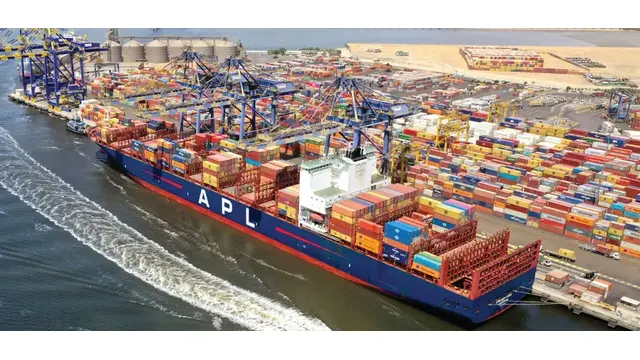
Pakistan’s goods transporters strike continues to paralyze Port Qasim and Karachi Port. Transporters and industry sources say stalled negotiations, heavy fines, and policy disputes now threaten fuel supplies, industrial output, and national trade flows.
Pakistan Goods Transporters Strike 2025 Enters Second Week
The Pakistan goods transporters strike 2025 began on December 8. By December 15, Port Qasim and Karachi Port remain largely closed. Thousands of trucks stand idle. Cargo movement has stopped. Import and export supply chains now face severe disruption.
Transporters say fines of up to Rs 50,000 per vehicle make operations impossible. They reject selective enforcement under the Motor Vehicle Ordinance 2025. They want talks in Karachi, not Lahore. Punjab officials accepted demands verbally. They refused to issue a notification.
Port Qasim Shutdown Hits Industry and Trade
The Port Qasim shutdown blocks imported raw material. Steel plants slowed or stopped work. Cooking oil factories report shortages. Cement and automobile plants face the same pressure. Imported coal remains stuck at ports. Export containers cannot move.
Business groups warn of rising demurrage costs. Export deadlines slip. Foreign buyers raise concerns. Industry leaders say Pakistan risks losing trade credibility if the goods transporters strike continues.
Fuel Shortage Risk Grows Nationwide
Oil tankers also remain off the roads. Petroleum products face delays across provinces. Market players now flag a fuel shortage risk. A petroleum supply crisis may emerge if transport stays frozen.
Despite the scale, Sindh, Punjab, FBR, Ports and Shipping, and federal economic ministries have not issued a joint response. Transporters say their supply line has collapsed. Owners of 22-wheelers and container trucks confirm zero movement. Negotiations remain stalled.
Web Desk
Hamariweb.com Webdesk is where to get the latest news feeds on current affairs, cultural activities, and current news in Pakistan and other parts of the world. Our team is led by a sharp editorial mind and accuracy and works to make the reader feel updated and motivated with journalistic accuracy and the power of the story. Everyday news, headline news, news stories, breaking news, major news, minor news, we have the heartbeat of the nation on your screen--always relevant and with links.






Leave a Reply