
“Pay the Tax” Dhruv Rathee Exposes Dhurandhar Trolling: Subscribing Mandatory for Comments
-
Rida Shahid
-
- Published December 23, 2025
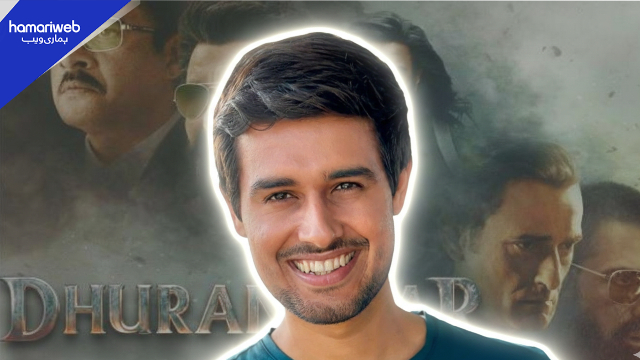
Indian YouTuber Dhruv Rathee has addressed online trolling after his video on the controversial film Dhurandhar. He said coordinated dislike campaigns fail to change facts. Rathee shared engagement data to explain how online noise works and why creators should not fear pressure tactics.
If you follow digital media closely, you may have seen this pattern before. Dhruv Rathee is facing heavy trolling after his recent video on the film Dhurandhar. Speaking directly to viewers, he said the backlash started after he called the film propaganda.
Dhruv Rathee shared his message through a video posted on X. He said blind followers linked to the film reacted aggressively. According to him, these groups now target his channel with negative comments and dislike requests.
Rathee did not rely on claims alone. He opened his YouTube Studio dashboard and shared numbers. He said his video crossed 500,000 likes. Dislikes stayed around 50,000. That puts likes near 90 percent and dislikes close to 10 percent.
Dhruv Rathee explained why this matters. He said small groups often create loud online campaigns. Their goal is simple. They want others to believe that most viewers oppose the content.
Rathee said many celebrities and influencers fall for this tactic. They see sudden backlash and panic. Some delete posts or videos. He warned creators to look at data, not noise.
Referring again to Dhurandhar, Dhruv Rathee said the film’s success does not change public awareness. He claimed viewers now understand how such films get made and promoted. He also said people have noticed director Aditya Dhar’s approach.
Earlier, Dhruv Rathee addressed critics directly. He told trolls to help grow his channel. He added one condition. If they want to comment, they must subscribe first.
The Dhruv Rathee Dhurandhar episode highlights how digital debates now work. Numbers speak louder than trends. And online pressure does not always reflect public opinion.
Rida Shahid
Rida Shahid is a content writer with expertise in publishing news articles with strong academic background in Political Science. She is imaginative, diligent, and well-versed in research techniques. Her essay displays her analytical style quite well. She is currently employed as English content writer at hamariweb.com.






Leave a Reply