
World’s First Hotel on the Moon Planned Using Moon Dust Bricks, Initial Booking Fees Revealed
-
Rida Shahid
-
- Published January 17, 2026
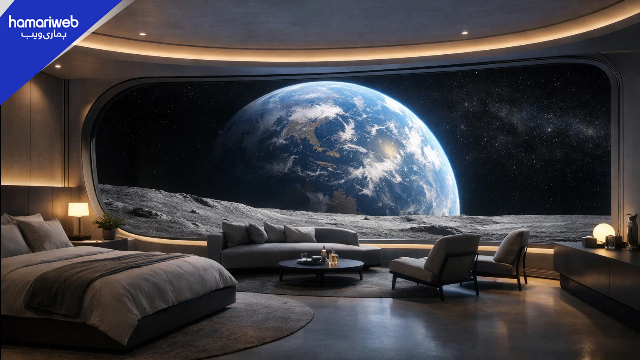
The dream of a lunar vacation just became a financial reality. Silicon Valley startup GRU Space is now accepting deposits for the first hotel on the Moon. With missions slated for 2032, this Y Combinator-backed venture marks a pivotal shift from government exploration to commercial space tourism.
Booking Your Stay at the First Hotel on the Moon
Galactic Resource Utilization Space (GRU Space) recently opened its booking system to the public. The company invites travelers to join the next frontier of hospitality.
Interested guests must first pay a $1,000 application fee. Once approved, you must provide a deposit between $250,000 and $1 million. This secures your spot for a mission planned within the next six years.
GRU Space plans to use inflatable structures for its initial lunar base. These modules launch in compact form and expand once they land. This design saves weight and space on commercial rockets.
By 2032, the company expects to host four guests at a time. The stay will include views of Earth and guided moonwalks. While the deposit is high, the total trip cost could exceed $10 million.
Building with Moon Dust
The startup wants to build a permanent presence using local materials. Founder Skyler Chan plans to turn lunar soil into “moon bricks.” This process uses special polymers to create sturdy buildings without shipping heavy materials from Earth.
The company’s long-term vision includes a structure inspired by San Francisco’s Palace of Fine Arts. This first hotel on the Moon will serve as a testbed for sustainable off-world living.
The Roadmap to 2032
GRU Space is following a strict timeline to meet its goals:
- 2029: A demo mission will test brick-making technology.
- 2031: A foundation mission will set up the first pressurized habitat.
- 2032: The first tourists will arrive at the first hotel on the Moon.
This initiative signals a new era for the lunar economy. Commercial activity is no longer limited to satellites and cargo. Tourism is now driving the development of human life beyond Earth.
Rida Shahid
Rida Shahid is a content writer with expertise in publishing news articles with strong academic background in Political Science. She is imaginative, diligent, and well-versed in research techniques. Her essay displays her analytical style quite well. She is currently employed as English content writer at hamariweb.com.






Leave a Reply