Business Leaders Oppose Daily Petrol Price Formula, Fear Economic Uncertainty
-
 Syeda Qandeel Zehra
-
Syeda Qandeel Zehra
-
- Published July 20, 2026
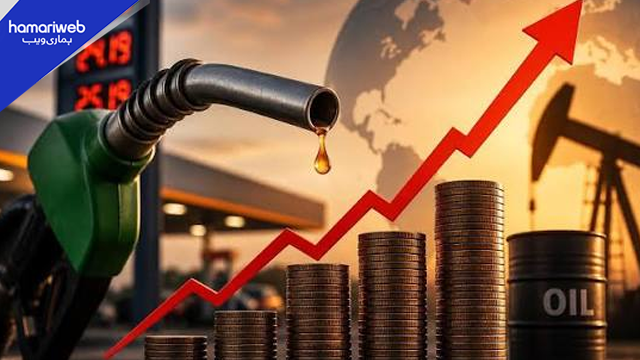
The Businessmen Panel (BMP) of the Federation of Pakistan Chambers of Commerce and Industry (FPCCI) has strongly criticized the government’s decision to introduce a daily petroleum pricing mechanism, warning that the move will increase inflation, create uncertainty for businesses, and place an additional financial burden on consumers.
BMP Chairman and former FPCCI President Mian Anjum Nisar termed the new petroleum pricing policy, “anti-business, anti-industry and anti-public” and revealed that it would adversely impact the economy of Pakistan by making the prices of petroleum products fluctuating.
According to Mian Anjum Nisar, the government has decided to revise petroleum prices in Pakistan on a daily basis in line with changes in the international oil market. He said when prices for crude oil go up in the world, the government immediately passes on the entire cost increase to consumers, but it is not moving to help consumers during price drops.
He noted that although the price of global crude oil has declined markedly in recent months, the consumers and businesses have not enjoyed the expected benefit, owing to the government’s levy on petroleum products, climate support charges and other taxes.
The FPCCI Businessmen Panel also slammed the government’s use of fiscal constraints and commitments with the International Monetary Fund (IMF) as the basis to keep fuel prices high. The business community has said that these extra taxes have been blocking the way of industries and the public to make the most of the falling oil prices from other countries.
Mian Anjum Nisar added that since the world oil price started going up because of the rising geopolitical tensions, the government transferred the entire burden on the consumer without cutting down any taxes or petroleum levy to ease the impact.
The business community expressed discontent over implementation of a daily petrol price adjustment mechanism as it would make business planning more difficult, raise transportation and production costs, and add to inflation in Pakistan. It called upon the government to consider the policy and implement steps that would ensure fiscal needs, economic stability and public relief.
Syeda Qandeel Zehra
Syeda Qandeel Zehra, an MBA holder with four years of content writing experience, is a versatile writer adept in news, blogs, and articles. Specializing in SEO content, she combines business insight with engaging storytelling. Keen on staying updated with industry trends, Syeda crafts compelling and high-ranking content that resonates with her audience.





Leave a Reply