Super El Niño Threat Could Bring Extreme Weather to Pakistan in 2026
-
Junaid Ahmed
-
- Published May 20, 2026
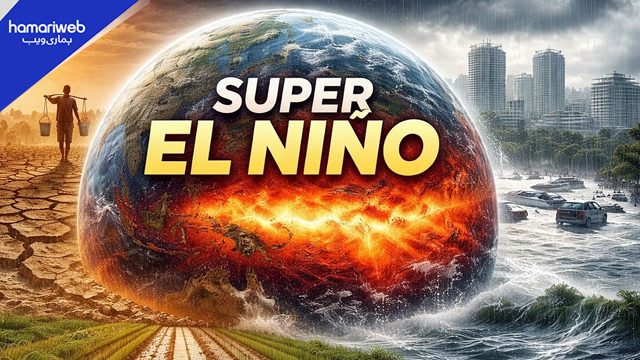
A new wave of concern is spreading among climate experts after fresh forecasts suggested that the world could be heading toward another powerful “Super El Niño” event by the end of 2026. Scientists warn that rapidly warming waters in the Pacific Ocean may trigger one of the strongest climate disruptions in modern history, potentially causing deadly heatwaves, floods, droughts, and food shortages across multiple continents.
The probability of El Niño forming before July 2026 has significantly increased in recent climate outlooks from top meteorological organisations. Multiple sophisticated climate models now project the event could turn into a rare “Super El Niño”, which could dramatically affect global climate patterns and economies.
What Is a Super El Niño?
El Niño is a natural cycle of the climate system that involves warmer-at-than-normal surface temperatures in parts of the Pacific Ocean. A “Super El Niño” is defined as a warming of at least 2 °C from the normal for more than three months.
These events are infrequent but very destructive. Historical Super El Niño episodes were recorded during 1877–78, 1982–83, 1997–98, and 2015–16. The 1997-98 event resulted in billions of dollars of economic loss worldwide and was the catalyst for many severe weather disasters worldwide.
As the ocean warms up, climate scientists are concerned that future Super El Niño events may be even more powerful.
Why Experts Are Concerned
The Pacific Ocean is getting hotter than usual, a sign that it will have more energy to power up the atmosphere, meteorologists say. When a Super El Niño occurs, nations are likely to face:
- Record-breaking temperatures
- Extreme rainfall and flash floods
- Severe drought conditions
- Crop failures and food insecurity
- Intensified tropical storms
- Water shortages in vulnerable regions
Scientists also say that in some areas of the Pacific, giant waves of up to 30 meters (90 feet) may occur during periods of heavy ocean activity.
Possible Impact on Pakistan and South Asia
The phenomenon may intensify, causing dangerous weather extremes in South Asian nations such as Pakistan, according to climate experts. In recent years Pakistan has already experienced devastating floods, heat waves, and irregular precipitation.
A stronger El Niño event may increase the risk of:
- Heatwaves during summer months
- Reduced agricultural productivity
- Water stress in drought-prone areas
- Urban flooding caused by unpredictable rainfall
Governments need to start making disaster management plans in advance in order to minimize the losses in the human and economic sectors, environmental analysts note.
Scientists Call for Global Preparedness
Scientists caution that although El Niño is a natural climate phenomenon, global warming driven by climate change could increase its frequency and severity.
Governments, climate agencies and humanitarian actors are being encouraged to enhance early warning capabilities, make infrastructure more resilient and develop emergency response plans in anticipation of the impact before it becomes even more severe.
Global temperatures are already close to record levels and scientists say another Super El Niño would bring weather systems into dangerous territory, causing widespread disruption around the globe.
The potential for a Super El Niño in 2026 is increasingly on everyone’s radar as the oceans warm. The world must brace for possible severe climate impacts, including potential food shortages, floods and heatwaves, as scientists remain vigilant on the Pacific Ocean.
The next few months will be crucial as to whether this warming trend becomes one of the strongest climate events ever recorded.






Leave a Reply