Israel Election 2026: Exit Polls Show No Clear Winner Between Netanyahu and Eisenkot
-
Ifrah Aqeel
-
- Published October 28, 2026
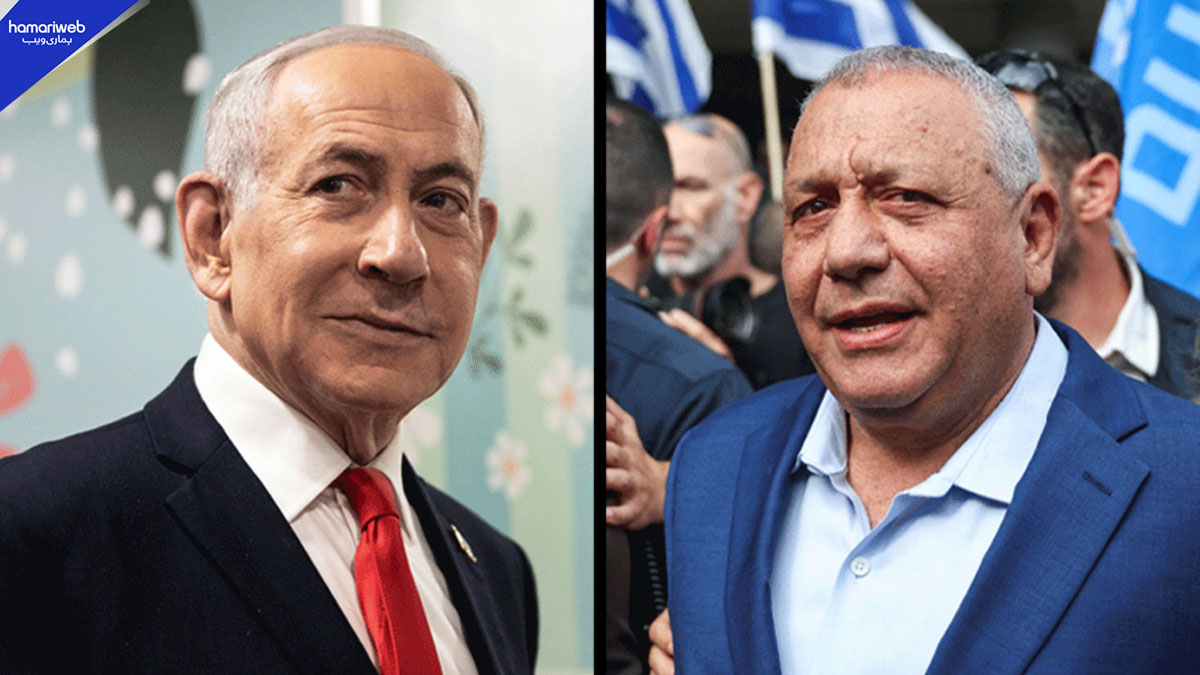
Exit polls show no clear winner in Israel’s election, with Prime Minister Benjamin Netanyahu’s bloc and opposition leader Gadi Eisenkot’s bloc both short of a majority. Arab parties are projected to win 17 to 18 seats, which could affect efforts to form the next government.
Three major Israeli television networks released exit polls after voting ended on Tuesday, October 27. Two revised polls put both blocs at 51 seats each, while a third gave Netanyahu’s bloc a narrow lead of 52 to 49, according to the foreign news sources.
A party or alliance needs at least 61 seats in the 120-member Knesset, Israel’s parliament, to secure a majority. The exit polls suggest neither side has enough seats to govern without support from other parties.
Netanyahu’s Likud party is projected to remain the largest single party, with about 24 to 25 seats in the main exit polls. Eisenkot leads Yashar, a new party heading the opposition bloc seeking to replace Netanyahu.
Arab Parties Could Play a Key Role
Arab-led parties are projected to win a combined 17 to 18 seats, up from the 10 seats they held in the outgoing parliament. Their projected gains could make them important to coalition negotiations, according to The Times of Israel.
However, several opposition parties have ruled out joining a government with Arab-led parties. This could make it harder for Eisenkot to gather enough support to form a government.
Netanyahu has called for a strong right-wing government and said he would wait for the official results. Eisenkot told supporters that voters had chosen to end Netanyahu’s time in office.
What Happens Next?
Israel’s Central Elections Committee has begun counting the votes. Official results may take several days, and the final seat totals could differ from exit-poll estimates.
After the results are confirmed, President Isaac Herzog will consult party leaders and ask the candidate with the best chance of forming a government to try to build a coalition. The candidate will have up to six weeks to do so.
If negotiations fail, another candidate may get a chance. If no government can be formed, Israel could hold another election while Netanyahu remains caretaker prime minister, according to the foreign news sources.
Ifrah Aqeel
Ifrah Aqeel is a news writer and editor covering entertainment, trending stories, and major national and international developments. She specializes in breaking down fast-moving news, viral trends, and current events into clear, engaging content. Backed by a disciplined editorial background, Ifrah brings a fast, factual, and research-driven approach to every story she covers.






Leave a Reply