Pakistan Seals $1.21 Billion IMF Staff-Level Deal
-
Mustafa Ali Khan
-
- Published October 8, 2026
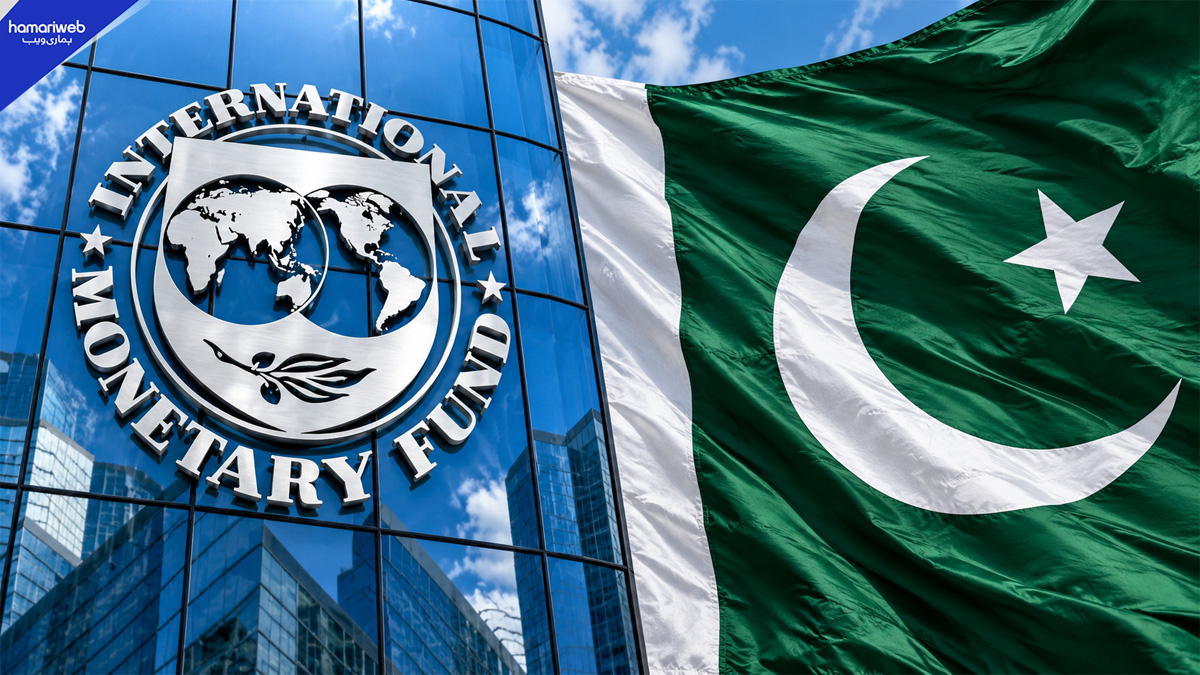
The IMF says Pakistan has reached a staff-level agreement for about $1.21 billion in financing. The package covers the main loan programme and climate support. Pakistan will receive the funds after the IMF Executive Board approves the agreement, according to mission chief Iva Petrova.
Pakistan has reached a staff-level agreement with the IMF for about $1.21 billion, mission chief Iva Petrova said in the lender’s statement.
$1 Billion Loan Payment and $210 Million Climate Support
Petrova outlined two parts of the proposed payment:
- $1 billion under the Extended Fund Facility (EFF), Pakistan’s main IMF loan programme, following its fourth review.
- $210 million under the Resilience and Sustainability Facility (RSF), which supports climate reforms, following its third review.
She said Executive Board approval would take total payments under both programmes to about $5.7 billion.
From Review Talks to Reform Plans
The IMF said Petrova’s team held talks in Karachi and Islamabad from September 23 to October 7, 2026. The discussions also covered the 2026 Article IV consultation, the IMF’s wider review of Pakistan’s economy.
On October 7, Petrova met Finance Minister Muhammad Aurangzeb for the closing session, according to the Finance Ministry’s account of the meeting.
After the talks, Petrova said Pakistan had maintained economic stability despite the Middle East conflict. The IMF estimated 2025-26 growth at 3.6%, reported September inflation of about 10.3%, and put gross reserves at about $21.5 billion.
Her statement outlined these priorities:
- Fuel support: Phase out the broad scheme because of its cost. Future help should target eligible households, last for a limited period and stay within the 2026-27 budget.
- Health and education: Raise spending from 2.5% of GDP in 2025-26 to 2.8% in 2026-27.
- Budget and taxes: Improve tax collection and target an underlying primary surplus of 2% of GDP, a budget surplus before interest payments, in 2026-27.
- Energy reforms: Lower costs, improve bill collection and reduce gas losses.
The IMF also called for tight monetary policy to bring inflation back to the State Bank’s target range. Petrova warned of risks from regional tensions, changing energy prices, tighter global financing and trade disruptions.




Leave a Reply