The Modern Hangor-Class Submarine Project – A Milestone for the Pakistan Navy
-
 Web Desk
-
Web Desk
-
- Published April 28, 2026
By Vice Admiral Irfan Ahmed (Retired)
History bears witness to the exceptional performance of Pakistan Navy submarines in the Indian Ocean. It is also an established fact that Pakistan was the pioneer in acquiring submarines in this region. This journey began with the submarine Ghazi, obtained from the United States, which was inducted into the naval fleet on September 4, 1964. From that day until its final mission, Ghazi left an indelible mark of professionalism and bravery. It not only helped establish a strong operational presence both underwater and on the surface but also laid the foundational framework for the acquisition and effective utilization of submarine capability. As a result, the Pakistan Navy steadily enhanced its submarine fleet over time.
Soon after Ghazi, the acquisition of Daphne-class submarines further strengthened the fleet. These submarines also rendered valuable services, particularly playing a key role in the 1971 war. Subsequently, the French-built Agosta-class submarines were inducted into the Pakistan Navy, proving to be a significant addition. Moving a step further, the Pakistan Navy undertook effective measures for maintenance, repair, and modernization of these submarines. This led to a highly beneficial outcome: the Karachi Shipyard developed the capability to construct submarines. Leveraging this expertise, Pakistan decided to build submarines domestically, successfully constructing two out of three Agosta submarines within the country—turning a long-held dream into reality.
Additionally, to further enhance submarine effectiveness, an Air-Independent Propulsion (AIP) system was installed, significantly improving performance and allowing submarines to remain submerged for longer durations. Over the past four decades, these initiatives have enabled the Pakistan Navy to acquire extensive expertise in submarine operations, maintenance, repair, and construction—an invaluable asset for the future.
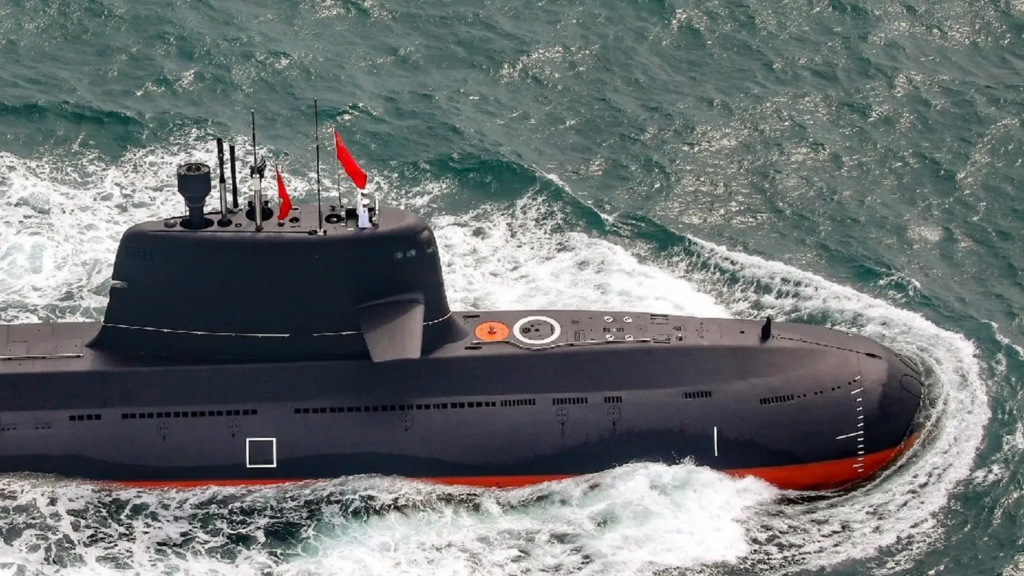
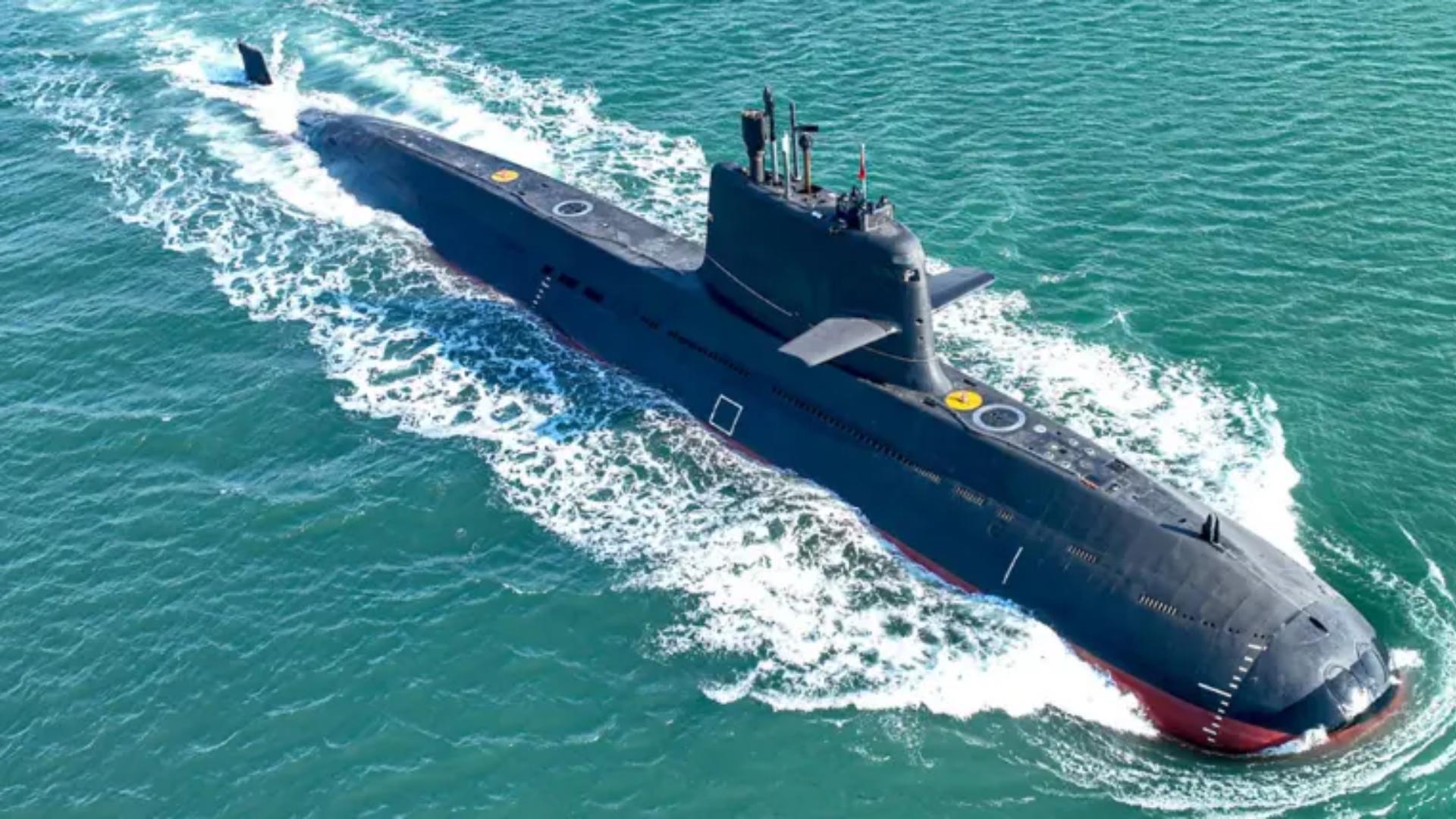
In continuation of this progress, Pakistan established close cooperation with its trusted ally, China, which possesses substantial experience in modern submarine design and construction. Taking all factors into account, Pakistan and China jointly decided to construct eight Hangor-class submarines. The foundation of this project was laid during Chinese President Xi Jinping’s historic visit to Islamabad in 2015. Under this agreement, four submarines will be built at shipyards in Wuhan, China, while the remaining four will be constructed at Karachi Shipyard & Engineering Works (KS&EW) under a technology transfer arrangement. This project stands as a milestone in Pakistan’s naval agreements and is a prime example of bilateral cooperation. Construction is progressing simultaneously in both countries, with submarines at various stages including system installation, harbor trials, and sea trials.
The name “Hangor” carries great significance. During the 1971 Indo-Pak war, the Hangor submarine sank the Indian vessel INS Khukri and disabled another ship. In recognition of this act of bravery and professional excellence, the name has been revived. Furthermore, one of the submarines being constructed in Pakistan is proposed to be named PNS Tasneem, in honor of then Commanding Officer Vice Admiral Ahmed Tasneem, who led the mission with courage and distinction.
The Hangor-class submarines are comparable to China’s Type 039 (B039) submarines. They are equipped with state-of-the-art machinery, advanced acoustic systems, radar, sonar, robust hull structures, and noise-reduction designs—features that enhance stealth and make detection extremely difficult.
Moreover, these modern submarines are designed for multi-role operations. They have the capacity to carry a wide array of weapons, including heavy torpedoes and other advanced munitions. While maintaining strong defensive capabilities, they can simultaneously counter multiple surface and subsurface threats. The integration of long-range torpedoes and cruise missiles provides both offensive strength and reliable defense.
In addition, a secure communication system has been incorporated, ensuring uninterrupted connectivity during underwater operations.
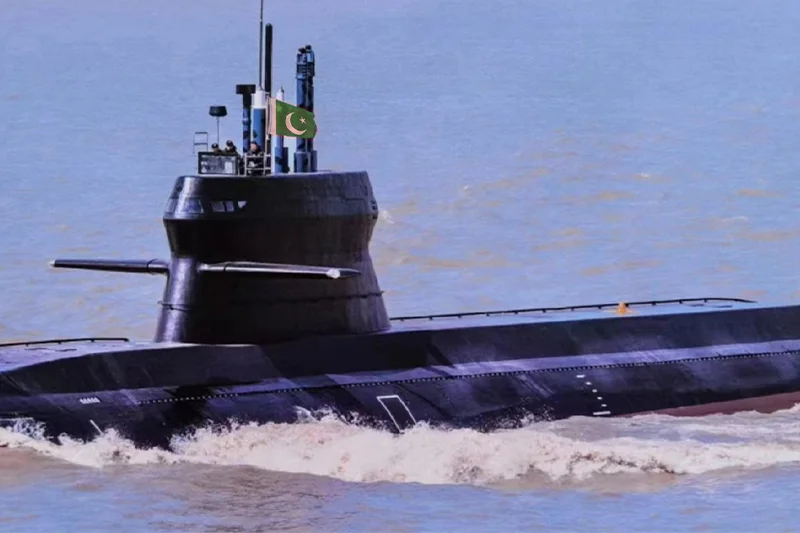
In summary, the Hangor-class submarines incorporate all capabilities expected of a modern conventional submarine. Their timely induction will significantly enhance the operational capacity of the Pakistan Navy. With AIP technology, advanced systems, secure communications, torpedoes, cruise missiles, and extended endurance at sea, these submarines represent a formidable addition to underwater and maritime defense. God willing, they will prove to be a strong asset in both defensive and offensive operations and will substantially strengthen Pakistan’s naval power.
At the same time, this project will serve as a testament to the enduring and robust partnership between Pakistan and China.
Web Desk
Hamariweb.com Webdesk is where to get the latest news feeds on current affairs, cultural activities, and current news in Pakistan and other parts of the world. Our team is led by a sharp editorial mind and accuracy and works to make the reader feel updated and motivated with journalistic accuracy and the power of the story. Everyday news, headline news, news stories, breaking news, major news, minor news, we have the heartbeat of the nation on your screen--always relevant and with links.






Leave a Reply