PTA Plans to Cut eSIM Prices by Up to 50% in Pakistan
-
 Syeda Qandeel Zehra
-
Syeda Qandeel Zehra
-
- Published July 16, 2026
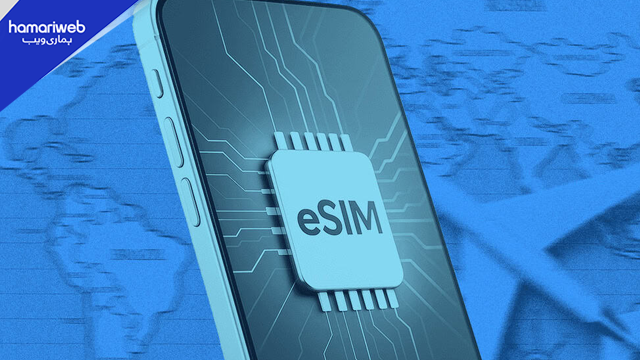
The Pakistan Telecommunication Authority (PTA) is planning to reduce the eSIM price in Pakistan by up to 50 percent to encourage more users to switch to digital SIM technology. The proposed reduction would lower the current eSIM activation fee of Rs. 2,000 to between Rs. 1,000 and Rs. 1,500.
PTA Chairman Major General (R) Hafeez Ur Rehman shared the update while briefing the Senate Standing Committee on Cabinet Secretariat. He said discussions with mobile network operators are already underway to make eSIM services more affordable for consumers.
PTA in Talks with Mobile Operators
According to the PTA chairman, reducing the eSIM activation charges will help increase consumer adoption across Pakistan. He added that as more people begin using eSIM technology, higher demand could further reduce prices in the future.
The move is aimed at supporting Pakistan’s digital transformation while making it easier for users to switch between networks without requiring a physical SIM card.
PTA Clarifies Role in Mobile Phone Taxes
During the meeting, the PTA chairman also clarified that the authority does not impose taxes on mobile phones. He explained that mobile taxation falls under the jurisdiction of the Federal Board of Revenue (FBR).
He further informed the committee that approximately 25 million mobile phones are manufactured annually in Pakistan, while premium smartphones, including Samsung and Apple devices, are imported and remain subject to applicable import duties and taxes.
High Mobile Taxes Could Affect 5G Adoption
The PTA chief warned that high taxes on mobile phones could slow the adoption of 5G services in Pakistan. He emphasized that making smartphones more affordable is important for expanding access to next-generation mobile networks and encouraging wider use of digital technologies.
The proposed reduction in the PTA eSIM price in Pakistan is expected to benefit consumers by lowering costs and promoting the use of modern mobile connectivity solutions.
Syeda Qandeel Zehra
Syeda Qandeel Zehra, an MBA holder with four years of content writing experience, is a versatile writer adept in news, blogs, and articles. Specializing in SEO content, she combines business insight with engaging storytelling. Keen on staying updated with industry trends, Syeda crafts compelling and high-ranking content that resonates with her audience.





Leave a Reply