Ayatollah Khamenei Funeral: Donald Trump Says Iranian Leadership Could Have Been Targeted
-
 Syeda Qandeel Zehra
-
Syeda Qandeel Zehra
-
- Published July 5, 2026
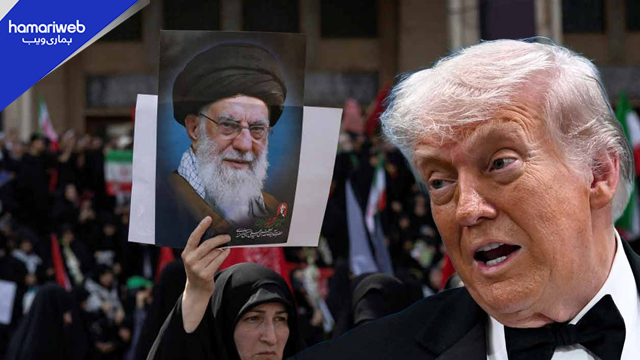
U.S. President Donald Trump has made a striking claim about the funeral of former Iranian Supreme Leader Ali Khamenei, saying the Iranian leadership attending the ceremony could have been targeted but was deliberately spared to keep diplomatic channels open.
In an interview with Axios, a U.S. news site, Trump expressed his surprise at the number of people who came to Ali Khamenei’s funeral, saying he had thought it would bring “a much different response from the public.”
“I thought the Iranian people hated him,” Trump said while referring to the scenes from the funeral.
The comments have gained immediate international spotlight, introducing a new layer to the current debate on Iran-US ties, regional security, and potential future diplomatic efforts between them.
Trump says top Iranian officials attending the funeral could have killed, but that not done to make future negotiations impossible.
He said that keeping diplomacy alive was a primary reason against going to war during the event.
“We could have taken out the entire Iranian leadership attending the funeral, but then there would have been nobody left to negotiate with,” Trump reportedly said.
Trump also announced that the U.S. and Iran agreed to temporarily halt talks until after Ali Khamenei’s funeral was over. He said the two sides not going to strike during the funeral, so that it could held peacefully.
The remarks come on the heels of ongoing tensions between Washington and Tehran over regional influence, security threats, sanctions, and diplomatic efforts. The remarks by Trump are likely to spark a lot of international discussion, but Iranian officials have yet to make an official comment on the tweet.
Political observers say Trump’s remarks underscore the delicate balance between military pressure and diplomatic engagement that has long defined US-Iran relations. His claims, if accurate, suggest that behind-the-scenes communication continued even during one of the most sensitive moments in recent Iranian political history.
The interview is likely to fuel further discussion over the future of Iran-US negotiations, particularly as both countries continue to navigate a complex relationship shaped by years of political confrontation and regional instability.
Syeda Qandeel Zehra
Syeda Qandeel Zehra, an MBA holder with four years of content writing experience, is a versatile writer adept in news, blogs, and articles. Specializing in SEO content, she combines business insight with engaging storytelling. Keen on staying updated with industry trends, Syeda crafts compelling and high-ranking content that resonates with her audience.





Leave a Reply