Trump-Iran Agreement 2026: Strait of Hormuz to Reopen as Historic Deal Announced
-
 Syeda Qandeel Zehra
-
Syeda Qandeel Zehra
-
- Published June 15, 2026
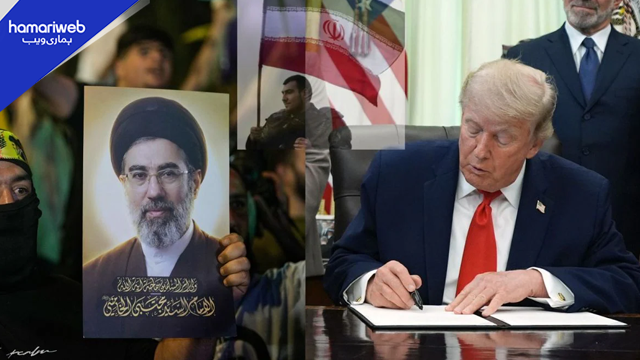
In a major diplomatic breakthrough, US President Donald Trump announced that the United States and Iran have reached a landmark agreement that is expected to take effect on Friday. The deal includes the reopening of the strategically important Strait of Hormuz and the lifting of what Trump described as the US naval blockade on Iranian ports.
The announcement is one of the biggest events in recent U.S.-Iran ties, and it has already taken a toll on global oil markets, regional politics and international diplomacy.
The full text of the agreement hasn’t been published yet, but officials from both countries have stated they plan to hold a formal signing ceremony on Friday.
What Is Included in the Trump-Iran Agreement?
According to President Donald Trump, the agreement contains several key provisions:
- Reopening of the Strait of Hormuz to international shipping.
- Removal of US naval restrictions on Iranian ports.
- Assurance that the Strait of Hormuz will remain permanently toll-free.
- A framework for future negotiations between Washington and Tehran.
- Potential economic measures that could involve frozen Iranian assets.
The Strait of Hormuz is one of the world’s most vital energy corridors and accounts for a large share of world oil trade. Any disruption in the waterway can have major consequences for international energy markets.
Why Is the Strait of Hormuz Important?
The Strait of Hormuz links the Persian Gulf with the Arabian Sea and is an important shipping lane for oil trade from the Persian Gulf nations.
Countries that rely heavily on the passage include:
- Saudi Arabia
- United Arab Emirates
- Kuwait
- Iraq
- Qatar
- Iran
The Strait of Hormuz is one of the most critical waterways on Earth, with energy analysts estimating that about one-fifth of the world’s oil supply goes through the strait.
The route is expected to ease concerns about energy security and stabilise international oil markets on opening.
US and Iran Disagree on Next Steps
Even with the announcement, there are still differences between Washington and Tehran regarding the implementation of the agreement.
Iran’s Deputy Foreign Minister said that future nuclear negotiations would start “after” the United States restricts “billions of dollars” in frozen Iranian funds.
American officials, however, have disagreed with this reading and have insisted that nothing need be paid immediately before negotiations start, even though this is not technically the case.
This disagreement reflects that a diplomatic mechanism has been put in place but there are still a number of challenges ahead of a full normalization of ties.
What Does the Deal Mean for Iran Nuclear Talks?
The deal might set the stage for renewed talks about Iran’s nuclear program.
Iranian officials have suggested that a 60-day negotiation process could follow the signing of the agreement. But there has been no official confirmation of the exact timeline from Washington.
International observers believe future talks may focus on:
- Iran’s nuclear activities
- Regional security concerns
- Economic sanctions
- Release of frozen assets
- Maritime security in the Gulf region
Israel Yet to Comment on Trump-Iran Deal
Israel has not officially responded to the agreement.
The development comes shortly after Israeli forces reportedly carried out airstrikes in Beirut earlier on Sunday before news of the agreement became public.
President Trump also made news in his criticism of Israeli Prime Minister Benjamin Netanyahu, calling him “a very difficult guy.”
Israel’s response is under close observation as the nation’s stance could shape regional developments going forward.
Pakistan and Qatar Welcome the Agreement
Several countries have welcomed the announcement, including Pakistan and Qatar, which reportedly played important roles in diplomatic mediation efforts.
The leaders of the region welcomed the agreement as a positive development, hoping it would help bring peace to the Middle East and improve the overall stability of the region.
The experts estimate that if the agreement is implemented successfully, it will reduce the danger of armed conflicts and enhance economic cooperation among the regional states.
Oil Prices Fall After Agreement Announcement
Global energy markets reacted positively to news of the agreement.
Investors viewed the deal as a way to lessen the risk of supply disruptions in the Gulf, which led to a drop in both Brent crude oil and US West Texas Intermediate (WTI) crude.
Lower oil prices generally reflect expectations of:
- Improved energy supply stability
- Reduced geopolitical risk
- Greater confidence in international shipping routes
- Lower chances of conflict affecting oil exports
Asian stock markets also posted gains as investors welcomed the possibility of reduced tensions between Washington and Tehran.
Why This Agreement Matters Globally
The Trump-Iran agreement has implications far beyond the Middle East.
The deal could affect:
- Global oil prices
- International trade routes
- Energy security
- US foreign policy
- Iran sanctions policy
- Middle East stability
- Global financial markets
If implemented successfully, it may become one of the most significant diplomatic achievements involving the United States and Iran in decades.
The newly announced Trump-Iran agreement represents a potentially historic turning point in Middle East diplomacy. The deal has already started to reshape geopolitical and economic expectations around the world, with the Strait of Hormuz now reopened, restrictions on Iranian ports lifted and future nuclear negotiations taking shape.
But questions remain about the release of frozen Iranian funds, ongoing nuclear talks, and regional reactions, including Israel. While world leaders wait for Friday’s signing ceremony, eyes will be on whether this diplomatic achievement can provide enduring peace to one of the world’s most volatile areas.
Syeda Qandeel Zehra
Syeda Qandeel Zehra, an MBA holder with four years of content writing experience, is a versatile writer adept in news, blogs, and articles. Specializing in SEO content, she combines business insight with engaging storytelling. Keen on staying updated with industry trends, Syeda crafts compelling and high-ranking content that resonates with her audience.





Leave a Reply