Eid ul Azha 2026: Soaring Prices Make Sacrifice Harder for Many
-
 Syeda Qandeel Zehra
-
Syeda Qandeel Zehra
-
- Published May 16, 2026
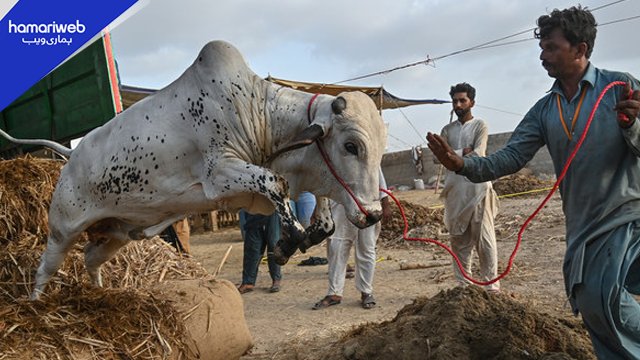
Rising Prices and Transport Costs Increase Eidul Azha Burden on Public
As Eid ul Azha approaches, rising inflation and higher transportation costs are making sacrificial animals more expensive, adding financial pressure on already struggling households.
Transport fares have directly affected by the jump in fuel prices – particularly petrol and diesel – in recent months. The transport charges are increasing the market prices as most of the sacrificed animals are coming from big markets of livestock in Punjab and Sindh to the other areas.
The cost of delivering animals has increased by thousands of rupees compared to the previous cost due to the transportation charges. The extra expense is borne by the buyer and makes the purchase of cattle more costly in local markets.
The price of animal feed has also risen, in addition to transport costs. The cost of livestock production, from farms to markets, has been higher due to increase in the prices of fodder, water, care and maintenance.
Consequently, the cost of sacrificial animals is rising, not only in urban markets but in the supply chain as a whole. Meanwhile, the price of meat has also increased dramatically, from Rs1000 to Rs1600 per kg, up from the lower levels last year, which is affecting the low and middle-income families as well.
Prices could also affected by the regional trade environment, experts note. Continued import restrictions with Afghanistan would reduce supplies and support prices. But with fewer restrictions, it may be another 20-30 percent.
It is worth mentioning that animals that cost Rs200,000 to Rs300,000 last year might be even more expensive this year, making it more expensive for buyers to purchase an animal.
However, analysts also point out to the changing social trends that accompany Eidul Azha, sacrifice is sometimes led by competition or the display of wealth and not simplicity. They insist that the essence of sacrifice is devotion, sincerity, and selflessness.
They recommend the idea of collective sacrifice, also known as sharing one animal, which could lower the expense and make the tradition more affordable. A sacrifice of 5 to 7 persons was often shared in previous days, thus fostering unity and alleviating financial strain.
While inflation has been rising, the middle class is paying the price. Nonetheless, many families attempt to do what is require of them from a religious perspective by cutting back on spending and showing their faith and commitment towards the spirit of Eidul Azha.
Syeda Qandeel Zehra
Syeda Qandeel Zehra, an MBA holder with four years of content writing experience, is a versatile writer adept in news, blogs, and articles. Specializing in SEO content, she combines business insight with engaging storytelling. Keen on staying updated with industry trends, Syeda crafts compelling and high-ranking content that resonates with her audience.






Leave a Reply