Iran Rejects Trump’s 20% Strait of Hormuz Cargo Fee Proposal, Says It Will Charge a ‘Fair’ Toll
-
 Syeda Qandeel Zehra
-
Syeda Qandeel Zehra
-
- Published July 14, 2026
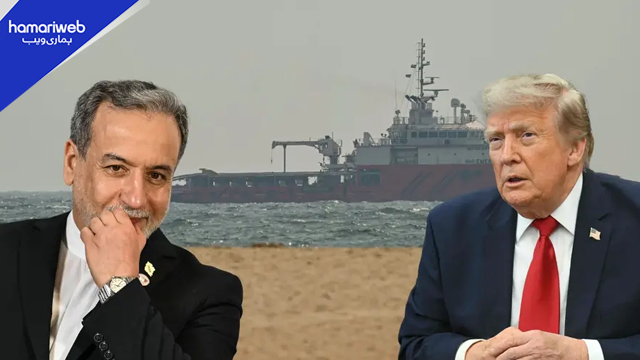
Iran has strongly responded to U.S. President Donald Trump’s proposal to impose a 20% fee on commercial cargo passing through the Strait of Hormuz, with Foreign Minister Abbas Araghchi saying Tehran—not Washington—has long ensured the security of the vital waterway.
Abbas Araghchi, in a statement posted on social media, said the party responsible for protecting commercial shipping through the Strait of Hormuz should be compensated. He emphasized that for decades Iran has protected the strategic maritime route and will continue to do so.
Following Donald Trump’s proposal of 20% fee on cargo imports, Araghchi called the rate “excessive” and said Iran would impose “fair” fee.
Trump Announces 20% Strait of Hormuz Cargo Fee
Previously, President Donald Trump had stated that the U.S. would be the “protector” of the Strait of Hormuz and would levy a 20% tariff on all commercial vessels passing through the strait. The charges would help pay for the region’s security and safe navigation, Trump said.
The announcement follows rising tensions between Iran and the United States, where both nations laid claims to control over the waterway and attacked one another for the second day in a row.
US to Resume Maritime Blockade
The U.S. Central Command (CENTCOM) announced that the U.S. will reimplement its maritime blockade of ships entering and leaving Iranian ports beginning at 4:00 p.m. Eastern Time (19:00) on July 14. The U.S. military stated the restrictions will apply to vessels linked to Iranian ports.
Iran, however, insists that under an interim peace agreement reached last month, it has the legal right to regulate maritime traffic and collect tolls in the Strait of Hormuz. The United States maintains that international law guarantees freedom of navigation through international waterways.
Why the Strait of Hormuz Matters
The Strait of Hormuz is one of the world’s busiest shipping lanes, transporting about 20 % of the world’s oil shipments and LNG shipments. A disruption or new restrictions in the waterway could have a major impact on the global energy market, shipping costs and international trade.
As tensions between Iran and the United States continue to rise, the future of shipping through the Strait of Hormuz remains under close watch from governments, traders, and the global energy industry.
Syeda Qandeel Zehra
Syeda Qandeel Zehra, an MBA holder with four years of content writing experience, is a versatile writer adept in news, blogs, and articles. Specializing in SEO content, she combines business insight with engaging storytelling. Keen on staying updated with industry trends, Syeda crafts compelling and high-ranking content that resonates with her audience.






Leave a Reply