Pakistan & Afghanistan as Transit Hubs: An Untapped Game-Changer for Regional Connectivity
-
Sania Siddiqui
-
- Published May 18, 2026
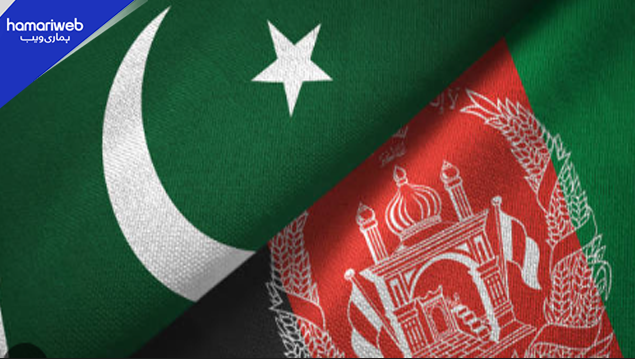
Central Asia: Encompassing Kazakhstan, Uzbekistan, Turkmenistan, Tajikistan and Kyrgyzstan sit atop some of the world’s most significant reserves of natural gas, oil, uranium, and rare earth minerals. Yet these landlocked states remain constrained in accessing the global economy. To their south lie Pakistan and Afghanistan, two nations uniquely positioned to serve as the natural overland conduit connecting resource-rich Central Asia with the resource-hungry economies of South and East Asia – principally India and China.
- China, as the world’s largest energy consumer, and India, as its fastest-growing major
economy, both face structural energy deficits. Geography places Pakistan and Afghanistan
at the exact crossroads where supply meets demand. Transit corridors through these two
nations – for energy pipelines, road freight, and rail – could generate billions of dollars
annually in transit revenues, spur industrial activity, create employment, and transform both
countries from aid-dependent economies into self-sustaining regional trading hubs. - This vast potential remains locked behind a single, critical barrier: the absence of
stability and cooperative governance in Afghanistan. - Narrative / Discussion Points
▪ Pakistan and Afghanistan form the natural bridge between resource-rich Central
Asia and the energy-hungry markets of China, India, and wider Asia. This geography
gives both countries major untapped transit trade potential.
▪ Transformation of this corridor from a theatre of conflict into an artery of
Commerce is achievable, but it requires political will and responsible conduct from
Kabul.
▪ A landlocked Afghanistan cannot build a stable and self-sustaining future without
reliable transit partnerships. Kabul must decide whether Afghanistan will become
a corridor of commerce or remain trapped as a corridor of conflict. Without
functioning transit routes, Afghanistan risks continued isolation and dependence
on international aid.
▪ Peaceful connectivity can generate transit fees, employment, border trade,
infrastructure development, and investment for Afghanistan. Pakistan, in turn, can
gain greater access to Central Asia and stronger utilization of its ports, roads, and
trade routes. This potential can be a game-changer for ordinary Pakistanis and
Afghans alike.
▪ No economic corridor can succeed if terrorism, militant sanctuaries, and cross
border attacks continue. Afghan soil must not be used by groups operating against
Pakistan. The transit potential of the region is therefore directly linked to a clear
recalibration of Afghan policy.
▪ Current Afghan dispensation’s tolerance, and in certain cases facilitation, of cross
border terrorist activity against Pakistan remains the foremost obstacle to regional
economic integration. Kabul must review its present posture, end tolerance of anti
Pakistan elements and take credible action against groups affecting Pakistan’s
security, including in Balochistan and border areas.
▪ Afghan government and the Afghan people must undertake a sober strategic
assessment. Continuation of current posture does not merely forfeit Pakistan’s
goodwill; it also closes Afghanistan’s own path to economic relevance.
▪ Afghan people, who ultimately bear the cost of their leadership’s choices, must ask
whether they want a future defined by proxy conflict and isolation, or by
connectivity, commerce and shared prosperity.
▪ Strategic calculus extends beyond the region. Balochistan holds substantial
deposits of minerals and rare earth elements. However, this potential remains
constrained if the province is destabilized by terrorism sustained through
sanctuaries on Afghan soil. Peace in Balochistan is therefore not only a Pakistani
interest; it also aligns with the strategic and economic interests of the United
States.
▪ United States and other stakeholders have a clear interest in regional stability,
secure trade routes, and diversified critical mineral supply chains. They should
therefore expect Kabul to act responsibly, deny space to terrorist groups and
support regional connectivity rather than allow instability to persist.
▪ Central Asia has resources, South and East Asia have demand, and Pakistan
Afghanistan have the corridor. The only missing ingredient is security, which
depends largely on a change in Kabul’s behaviour.
Sania Siddiqui
Sania Siddiqui is a skilled content writer with over two years of experience in crafting engaging and SEO-optimized content. She blends creativity with strategy, turning complex ideas into engaging blogs, articles, and web copy. Always learning, always writing—Sania thrives on making words work harder.





Leave a Reply