Rs9 Per Unit Extra? Six Taxes Inside Electricity Bills Raising Concern in Pakistan
-
 Syeda Qandeel Zehra
-
Syeda Qandeel Zehra
-
- Published May 18, 2026
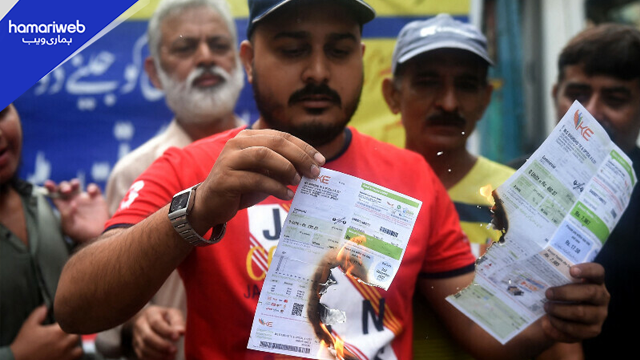
Electricity consumers across Pakistan are reportedly facing an additional burden of up to Rs9 per unit in taxes, intensifying concerns over rising utility costs and affordability amid ongoing inflationary pressures.
As per recent reports, the power sector has become a great platform for tax collection for the Federal Board of Revenue, consequently multiple taxes came into existence and got included in the monthly electricity bills issued by the distribution companies on the national grid.
Consumers are paying several taxes in their electricity bill now. These include an 18 percent General Sales Tax (GST), income tax, advance income tax, and several other duties and surcharges that add to the final per-unit cost of electricity.
An increasing reliance on the utility bill for revenue collection has made electricity even more affordable for households already feeling the pinch of high inflation and rising living costs, experts in the energy sector argue. The extra cost is especially hard on lower and middle income households because they spend their monthly income on essentials.
Industrial stakeholders have also voiced concern on the increasing cost of electricity, cautioning that the increased tariff rates were exacerbating production cost and affecting competitiveness of industries in the localities competitively in regional and global markets.
They also warn that if energy prices continue to rise, it will stifle industrial growth and may result in lower production of energy-intensive industries, which would impact job and economic growth.
The development coincides with the ongoing structural issues in the country’s power sector, such as the build-up of circular debt, volatile fuel prices, and falling electricity demand from high tariffs.
The energy system as a whole, which is under the supervision of the country’s national energy distribution grid and regulatory system, remains challenged by affordability and revenue recovery.
Consumer organizations and business groups have called for a re-evaluation of the basic tax structure of electricity bills. They say that it’s an unfair levy on the people if they’re paying too much in indirect taxes via their utility bills, and that in turn is making the cost-of-living situation worse.
They have demanded immediate measures to rationalise the electricity tariff, cut down on needless surcharges and raise the transparency of electricity bills to relieve the domestic consumers and the industrial sector.
Syeda Qandeel Zehra
Syeda Qandeel Zehra, an MBA holder with four years of content writing experience, is a versatile writer adept in news, blogs, and articles. Specializing in SEO content, she combines business insight with engaging storytelling. Keen on staying updated with industry trends, Syeda crafts compelling and high-ranking content that resonates with her audience.






Leave a Reply