President Zardari Resolves Judicial Appointments Delay, Ending a Deadlock
-
Ifrah Aqeel
-
- Published August 11, 2026
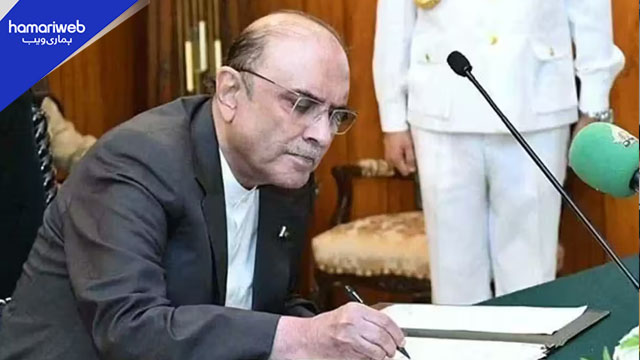
President Zardari approved 19 additional judges and confirmed five permanent judges for five high courts on Tuesday, resolving the recent judicial appointments delay.
President Asif Ali Zardari approved the judicial appointments following a summary from Prime Minister Shehbaz Sharif. The approval ends weeks of political deadlock between the Presidency and the federal government.
The Ministry of Law and Justice issued official notifications shortly after the announcement. The newly appointed additional judges will serve a one-year term starting from their oath-taking date.
What Caused the Delay?
The Judicial Commission of Pakistan originally recommended these appointments on July 20 and July 21. An official oath-taking ceremony was scheduled for July 27. However, officials postponed the ceremony indefinitely when President Zardari held back his assent.
Legal advisers at the Presidency raised several objections to the JCP process. They noted that the commission rejected almost all nominees proposed by the Pakistan Peoples Party and certain recommended candidates had criminal records.
The prolonged delay created major operational hurdles for regional high courts:
- Four additional judges at the Peshawar High Court lost office on August 4 after their terms expired without notification.
- One Sindh High Court additional judge completed his extended term on July 29 without a new extension.
The Law Ministry corrected these administrative lapses in its latest notification. The four PHC judges will now count their tenure from July 20. The SHC judge received a six-month extension backdated to his original expiration date.
Breakdown of Approved Judicial Appointments
The new approvals distribute 19 additional judges across five high courts:
- Lahore High Court: 10 + 1 permanent judge confirmation.
- Sindh High Court: 3 + a six-month extension for 1 additional judge.
- Islamabad High Court: 3
- Peshawar High Court: 4 confirmed as permanent judges.
- Balochistan High Court: 3
Constitutional Challenges
The delay triggered legal action in the Islamabad High Court. A petition challenged the President’s inaction under Article 48(1) of the Constitution. The petitioner argued that the President must act on the Prime Minister’s advice within set timeframes.
In contrast the Presidency argued that Article 175-A does not set a fixed deadline for judicial approvals. The IHC adjourned the hearing on Tuesday after both legal teams reached an out-of-court resolution.
Ifrah Aqeel
Ifrah Aqeel is a news writer and editor covering entertainment, trending stories, and major national and international developments. She specializes in breaking down fast-moving news, viral trends, and current events into clear, engaging content. Backed by a disciplined editorial background, Ifrah brings a fast, factual, and research-driven approach to every story she covers.





Leave a Reply